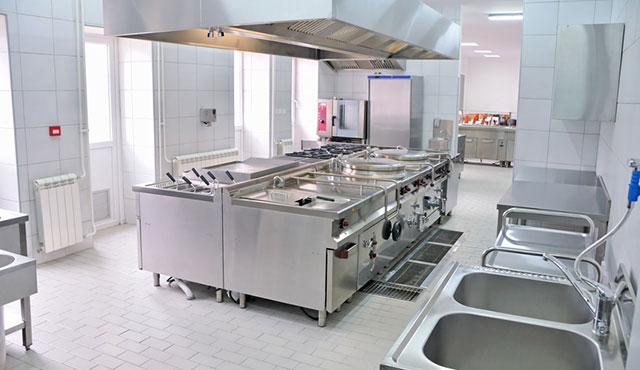
Important Factors to Bear in Mind, While Hiring Restaurant Hood Cleaning

The Regular cleaning of your commercial kitchen's exhaust system is a very essential part of maintaining a safe and efficient cooking operation. And keeping the duct system and hood filters free from excess grease buildup is also required by law, as outlined in NFPA Standard 96. 

So, simply cleaning the hood filters will not adequately remove grease build-up from ductwork or fans and NFPA Standards require that cleaning is done by qualified professionals, who are properly trained.

So, what should the owners look for, while hiring Restaurant Hood Cleaning 

The First and Foremost, Professionals recommend, to use a cleaning service that strictly adheres to National Fire Protection Association (NFPA) 96 standards. This will help you to ensure that your operation is fire code compliant and safe. 

Besides, whether you have already hired a hood cleaning company or for now thinking about to hire them, here are few factors and things that you should expect from a professional and reliable hood cleaning services:

  • Kitchen appliances, as well as equipment, will be wrapped in plastic, during the cleaning process. 
  • The lead technician should meet, with a building manager to walk through the facility and outlines the steps that will be taken during the cleaning procedure. 
  • Cleaning operations should include all ductwork, checking and cleaning all fans, hood filter, and grease-catcher cleaning & re-installation and repairing if its necessary, and all requisite setup and cleanup (such as protective plastic). 
  • The cleaning should include degreasing foam and power washing.
  • The last but not least, the hood cleaning company should offer, provide photographs of the entire system for review by restaurant management. 


Schedule Routine Cleanings

How often you have your commercial kitchen’s hood cleaned basically depends on the type and volume of cooking within your establishment. 
So, here are these guidelines that you should follow:

Monthly: Wood/ Charcoal-burning stoves, 24-hour restaurants, fast food establishments.
Quarterly: High to average volumes, 24-hour schedules.
Semi-Annually: Pizza restaurants, average volume, sit down atmosphere.


Final Words on Hood Cleaning Services  

Ensuring that your hood ventilation system is working and maintained properly will drastically eradicate the risk of fire in your restaurant as well as boost the longevity of your equipment. Enlisting the services of a professional, certified hood cleaning company isn’t just to meet NFPA Standards; it’s for the good of your entire opera. 

Remember: In today’s cut-throat world, there are so many Restaurant Hood Cleaning and grease trap cleaning in Atlanta online service providers. So, it is all up to you as the owner of your restaurant with a commercial kitchen to make an informed decision to keep your operation safe and code compliant.

Signs When Commercial Kitchen Needs Range Hood Cleaning Services

Keeping cook tops and food preparation areas spotless is extremely crucial for hygiene reasons. Most restaurant owners understand the basic importance of this, and that's why they prefer to engaging in a regular commercial kitchen cleaning schedule. 
And Here’s the reason...
Grease and dust can build up in range hood fans and even filters quickly, posing a potential fire hazard. And Grease is highly flammable, so the risk of it catching alight and sparking a kitchen fire are increased if the residue build-up is not removed properly on regular basis. 
To remove the excess grease, the kitchen’s hood and ventilation system provide a layer of protection in eliminating air contaminants and odors caused by cooking. So it’s essential and important for business and home owners to take care of the filters and fans so that they operate effectively. They also need to be cleaned properly to minimize health and safety risks, said by professional hood services companies.
However, even with regular or periodically proper maintenance, there are times when a hood fan or filter will need to be replaced completely. 
Here are some further signs to look for that could indicate a hood fan or filter may need to be replaced include:
  • You notice damage on the filter, during a routine cleaning
  • The vent fan no longer draws smoke or cooking smells out of the kitchen as effectively
  • The exhaust/hood fan makes unusual sounds or stops turning completely  
The risk of an exhaust or hood fan failing during operating hours could be devastating to any commercial kitchen operation. The risk of fire is dramatically increased, but there is also the problem of filling the kitchen and dining area with smoke.  
How long will this cleaning service take?
A standard range hood cleaning takes just 3 to 4 hours. However, there are loads of factors that determine how long it takes- Like the length of time between cleanings, the size of the kitchen, and the number of hoods or fans all factor into how long it will take for the job to be completed. 


Why Hire Hood Cleaning Services From Premier Grease? 
Premier Grease begins every kitchen exhaust system cleaning process at the top and then work with their way down — starting with the exhaust fan, then the duct work, and lastly the hood and the filters. After we clean the entire system, we wipe down the hood, shine it, and clean the kitchen of any possible over-spray.  
By making sure your cleanings are completed regularly by Premier Grease, who being known as the trustworthy company will save you money, protect your business, and keep your customers safe. 
If still you have any further questions or would like to request a personalized hood cleaning estimate, you can call our office or fill out the Contact form on our website today!      
Conclusion: 
Cleaning the exhaust hood system of your kitchen range is essential to maintaining NFPA 96 compliance and ensuring that your restaurant operates at the highest level for your customers. Premier Grease follows a proven process that helps you stay in business while minimizing dangerous commercial kitchen risks.   

Uncover Vital Signs It's Great Time to Hire Grease Trap Removal Services

Did you know??? About 70% of all sewage backups in the commercial kitchen of large and small cities all over the world are caused by the improper disposal of grease and fat. 
So, if you're thinking to open a restaurant anywhere, across the world, it is extremely important to ensure- you have the properly cleaned grease traps in your commercial kitchens. And you cannot just install them in kitchens and leave them be, you need to maintain them properly as well. 
If you can't do this task by own efforts then you can hire professional grease trap removal services anytime, anywhere. 

Here are 3 Vital Signs that You Need Grease Trap Cleaning Services
1.  If You Notice Things, Grease Traps are Working Too Slow
Dirty grease traps don't work properly when they start to top up (fill up). If your grease trap has formed a thick grease cap at the top of the trap, it'll act simply like any other clogged pipe in your restaurant. And moreover, it'll be harder for water as well as other things to drain through.
So, if you notice slow drainage in your commercial kitchen, there may be a good chance to notice that you have reached your drains limits and you need to have your grease trap cleaned and maintained quickly.  
2. The smell of the Kitchen isn't as Appealing as it Usually is...
Grease, oil, sludge, as well as food waste, don't make the most aromatic kitchen scents, especially when they've been sitting around for a long time. 
So, if it has been more than three months since your last grease trap cleaning is done and you notice that your regular day to day cleaning isn't helping the foul stench go away then it may be the right time to do something about that dirty grease trap. 
3. You Found Excess Grease in Other Places
If the grease traps start to clog, the chances are more the grease will try to make its escape through other lines. This could be through your regular sewage pipes, in your water lines and etcetera.
This is a significant sign so you should have to get your traps cleaned before dirty grease traps close down your restaurant for a week or so, as per the specific needs. 

Besides, there are many government organizations from the EPA to the Health Department that have strict standards for grease trap maintenance.
In this manner, a good rule of thumb is to have your grease traps cleaned properly with aid of hood cleaning service at least within every three months.   
Make Sure Don't Delay: Do Clean Your Grease Trap Today
When restaurants wait just one more day to have grease trap cleaning services come: the results can be terrible. Not only it can be harmful to environmental to those around your restaurant, but it can also cost you some serious cash. And at last,  you may have to close down temporarily to clean up the mess, or you've to pay much money on emergency services. 
An unforgettable identity is must-have for every business owner, so make sure your restaurant is up to standards in every way.
Still, have Quires or comments about your grease trap needs? Please feel free to contact Professionals!    

Discover How Grease Trap Removal Services can Be Worth for Restaurants

Septic tanks serve to break downloads of waste materials naturally over time. However, it's also true that they cannot handle that liquid waste which comprises large amounts of greases and oils. Even, an excess amount of oils and greases can harm the functioning of the septic tank, distribution box or the leach field significantly. 
This is why; septic tanks are perfect for households and domestic buildings. But, most of the commercial kitchens, schools and various hospitality services in commercial properties need a better wastewater filtering solution.
How To Clean A Grease Trap
Grease traps need regular maintenance, emptying and cleaning to ensure optimal functioning and to prevent blockages. It is important to clear out grease traps before they pollute our environment that can lead to hazardous health problems.


When you engage professional grease trap removal service the grease removal expert will help assess the grease to water ratio of your waste and make recommendations to:

  • Empty liquid as well as solid debris
  • Remove potential blockages
  • Make drainage odorless and reduce grease trap smell from commercial kitchen 

Not only these perks, but there are also loads of reasons that you can consider. 
Here you can see some proven benefits   
  • A Commercial Kitchen of any restaurant is usually occupied 24*7 as all the delicious food gets cook here only. And the regular burning of oil and all sorts of other culinary elements contribute to the grease as well as dirt curve. Not only this has decreased the productivity of the place, but also significantly affects the health of the people working in such an environment.   
  • There are plenty of advantages that come with grease trap removal services. Being a professional service provider they can actually help the food factories to keep the inside of their stuff to be hygienic and clean. 

A lot of food chains have taken advantage of this amazing hood cleaning service and improved their service curve tremendously. They both are convenient and effective as implementing these services strategies would help anyone in the overall improvement of your old kitchen.

Why Should Restaurant Owners Hire Oil Recycling Services?


There is no denying the fact that many of us have things we do every day that hurt the environment. Perhaps the most common habits include using plastic bags, wasting paper, sending recyclables to landfill sites, leaving the tap running, leaving the lights on (unnecessarily) and Pouring harmful substances down the drain.   

While this list is by no means exhaustive, one thing that often goes under the radar is used cooking oil. Because of the way oil spreads, even a small quantity can cause environmental harm. 
 
It’s estimated that there are approximately 650,000 restaurants in America alone. All these restaurants use huge volumes of cooking oil every single day. Without the right cooking oil disposal procedures, such as used oil is bound to have negative consequences on our environment.

There are loads of benefits that come from purifying used cooking oil. Here are some great reasons to recycle used cooking oil
  • It helps in reducing waste
  • It can be used for making Biodiesel
  • It really cost-effective
  • It benefits local business
  • It can benefit local businesses   


So, it's a great time to start recycling your used cooking oil. However, if you don't yet recycle used cooking oil, then it's time to start. With so many benefits to your business, the planet, and your local community, recycling cooking oil with aid of professionals is an easy choice you'll feel good about making.

And luckily, here is an easier solution for all restaurant owners when it comes to used cooking oil i.e. to hire Oil Recycling Services.


By hiring a professional oil recycling company to dispose of your waste in an environmentally friendly way, you can save your much of business money. Since, they can supply the bins, pick up the used oil and remove it (to recycle) from your property. And the best part is- you don’t have to spend additional cash on the proper receptacles or safely transporting the oil.

In addition, certified plus reliable cooking oil recycling companies come with high-tech gadgets and apparatus that help business owners in recycling their cooking oil, without any hassle. On the other hand, they uphold a team of expert that offers a reliable, sustainable and safe way to collect or recycle the used cooking oil. With great expertise in collecting used cooking oil, they can quickly provide a complete guidance and useful resources plus top-notch oil recycling and hood cleaning service for sustaining a hygienic environment in commercial kitchens.

So, Whatever your reason for recycling used oil, choose professionals or companies as your partner to safely dispose of the oil, extend the life of your plumbing and earn much money along the way. 
     
     Stop Throwing Out Your Used Cooking Oil and Contact Professionals TODAY to Get Started!    

Procedures for Grease Trap Maintenance and Cleaning

Grease traps are effective in filtering out the greases, solid particulates and oily particulates before entering into the wastewater disposal system; otherwise, it can affect the drainage system. 

With some grease trap maintenance techniques, given below, one can easily maintain the smooth water flow through the drainage system. For efficient working of grease traps, we need to maintain them on a regular basis.


Cleaning a Grease Trap 

  • Remove the Lid Part 
Using a pry bar, one can remove the grease trap lid. Gaskets are incorporated on the top of the lid; so, open the lid without damaging the gaskets. Damaging gaskets can be a costly affair, so approach with care. 
  • Make the Interior Layout 
For cleaning of the grease trap parts, we need to remove dislocated parts from the system. So, make a detailed layout and be sure about the components’ location. 


A detailed layout will help you during the re-installation process. 

  • Insert a Measuring Stick or Wooden Dowel 
A wooden dowel or measuring stick will help in finding out the desired depth of greases, and other oily particulates. Start putting the stick or dowel inside the grease trap until it touches the base. Make sure that the stick should be at 90-degree angle. 

Remove the dowel or stick and measure the depth as per the grease mark over the stick. This technique will help you in finding out the amount of debris or particulates in the grease trap. 

Mention the findings on the FOG pump out report issued by the Environmental Protection Agency (EPA). 
  • Remove Stagnant Water 
Take a bucket and remove out the stagnant water; you can collect the standing water in a bucket. After the removal, you can pour water again into the grease trap after the cleaning process. 
  • Remove Trapped Grease and Solid Particulates 
Using the bucket, one can easily remove out the trapped solid particulate inside the trap. For better cleaning, we can use vacuum cleaner and soap after the complete removal of wastes. 

After the completion of the cleaning process, re-install the machine as per the diagram. 

We can also choose an economical grease trap cleaning company, available in the market, offering hood, oil, grease trap and other types of cleaning services as the best alternative option to self-cleaning.

Oil Recycling Services: Preparing Used Cooking Oil into Biodiesel


Biodiesel, a renewable and substitute for petroleum fuel, is a useful source of energy. When burned, biodiesel produces a large amount of energy use in transporting vehicles and other applications, also creating less pollution to the environment.

With some techniques, we can easily transform used cooking oil into biodiesel. You can make an investment, by preparing cooking oil into biodiesel, through the help of the cooking oil recycling company.


Procedures to Make Biodiesel Using Used Cooking Oil 

  • Collect Used Cooking Oil 
Take a container and pour used cooking oil into it ensuring that the container is well dried and clean. Before selecting any container, check the presence of cracks, leaks, and tightness. 
  • Examine 
In the examination procedure; check the presence of particulate in used oil. Also, check the appearance, whether it is darker as compared to normal oil. Used cooking oils, with a milky appearance, should not be preferred for the conversion process as such oils create intervention during the biodiesel conversion process. 
  • Filter 

Heating Oil


Heating oil decreases the viscosity creating better fluidity; you can heat up to 95 degrees Fahrenheit. Follow safety measures while pouring oil to prevent the spillage; you can use safety gloves, aprons and, other precautionary measures.


Use coffee filters or cheesecloth to separate solid particulate from the used oil.

Reheating Oil

Reheat the filtered oil to 140 degrees Fahrenheit. The temperature can be recorded with the help of a cooking thermometer. Reheating of oil helps in removing water content from oil (useful for later conversions of the biodegradable process). 
  • Further Settlement for better Rectification 
Allow oil to stand for an hour. This will help in settlement of water extracts from oil. Now, transfer the screened oil content into another container. 
  • Perform Acidification Test (Prefer Titration Method) 
  • Mix lye and Distilled Water 
The ratio of lye to distilled water should be 1/1000. For example, you can add one gram of lye into distilled water.

Perform the above-given procedure in a well-ventilated room. 
  • Performing the Test with Isopropyl Alcohol 
Take a separate container, and add one ml of filtered oil into the 10ml isopropyl solution. Stir the mixture until it shows clear mixture. 
  • Adding Phenolphthalein Solution 
It will act as a pH indicator (on the base of 8.5). Put two drops of phenolphthalein solution in the oil and alcohol mixture.


Adding 0.1% Lye Solution


Add 0.1 lye solution with another mixture (alcohol, oil and, phenolphthalein solution). Stop dripping the lye solution when the mixture turns pink or magenta color.

After checking the oil’s acidity, one can easily convert the rest oil into biodiesel using filtered oil, lye and methanol.

Also, you can take the help of oil recycling services for recycling and reuse of used oil into biodiesel. With this little investment, you can make a passive income.


3 Main Reasons to Hire an Exhaust System Cleaning Company

If you are a manager you must be well aware of the fact that scheduled cleaning and welcoming inspections are the natural nature of this j...